Incandescent
20212-2-2-2 | 4-3-3-1 | 2 Perc | Harp | Piano | 10-8-6-4-3
Composer & Conductor
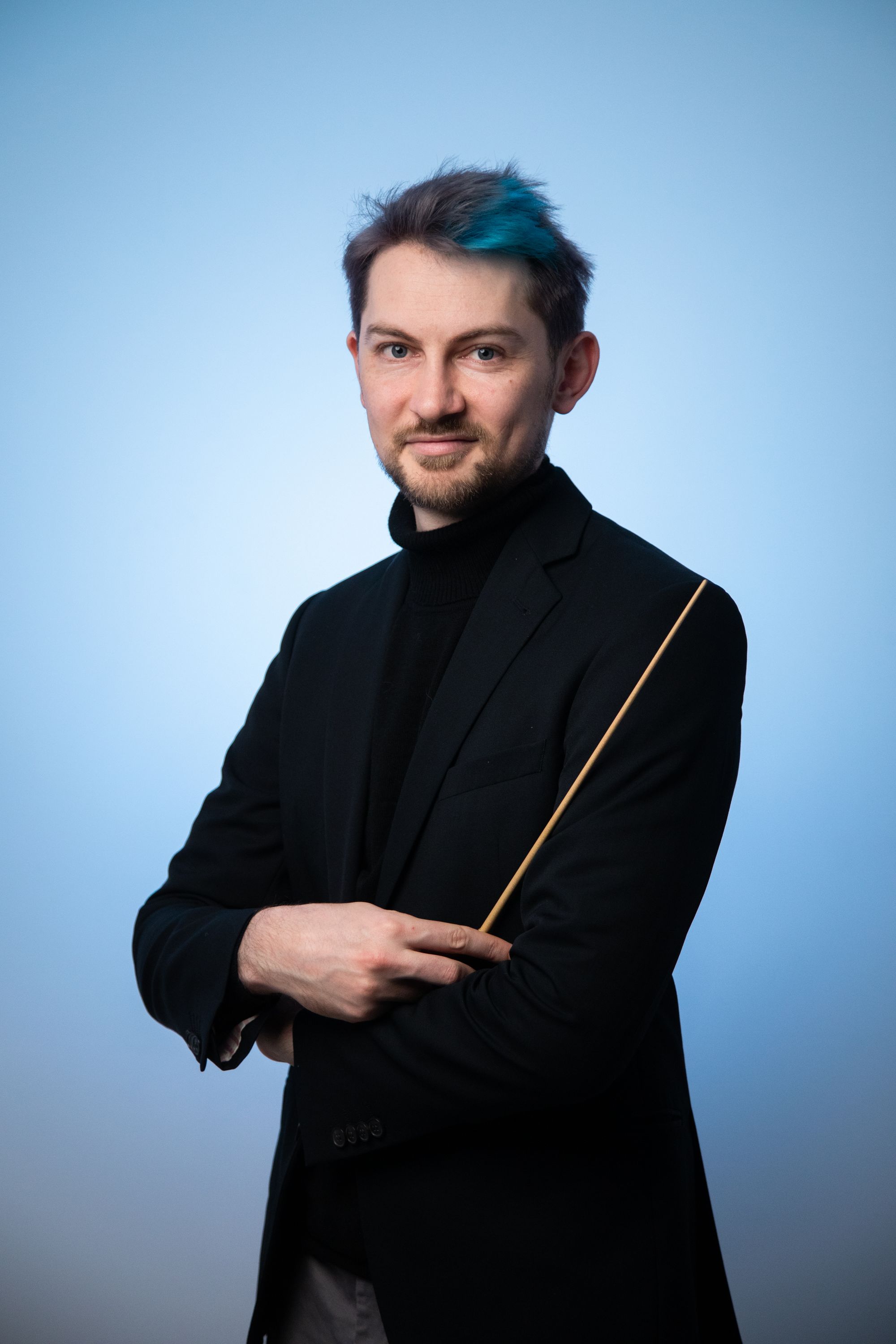
Etienne Haan is a French composer and conductor, taking interest in cognition and the abstract narrative potential of music.
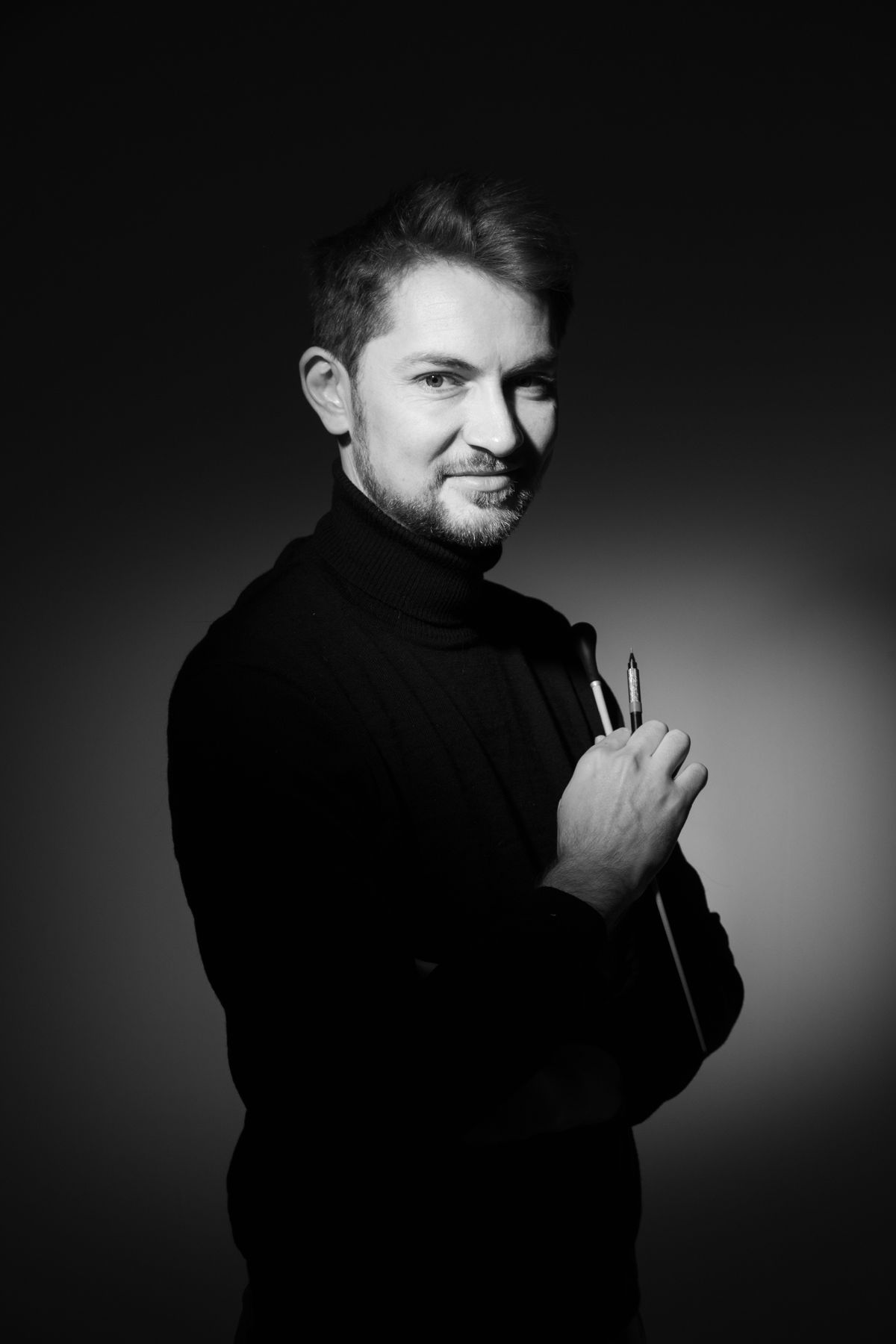
Born in Strasbourg in 1992, Etienne Haan completed his composition studies at the Conservatory of his hometown, where he studied with Annette Schlünz, Thierry Blondeau, Philippe Manoury, Tom Mays and Daniel d’Adamo. After successfully completing his Bachelor exam in Strasbourg, he entered the Hanns Eisler Hochschule für Musik in Berlin for a Master’s degree in Composition, studying with Hanspeter Kyburz (2017–19). He obtained an Artist Diploma at the Barenboim–Said Academy in Berlin, in the class of Jörg Widmann, in 2024/25.
Simultaneously to his composition studies, he studied conducting — first with M. Etchegoncelay (Strasbourg), then with M. Fabricius (Berlin) — and completed a Master’s degree in Conducting at the Centro Superior Katarina Gurska in Madrid (2022–23), supervised by Borja Quintas. Haan specialises in contemporary‑music conducting, and has attended workshops with Jean‑Philippe Würtz, William Blank, Titus Engel, and more recently Peter Rundel.
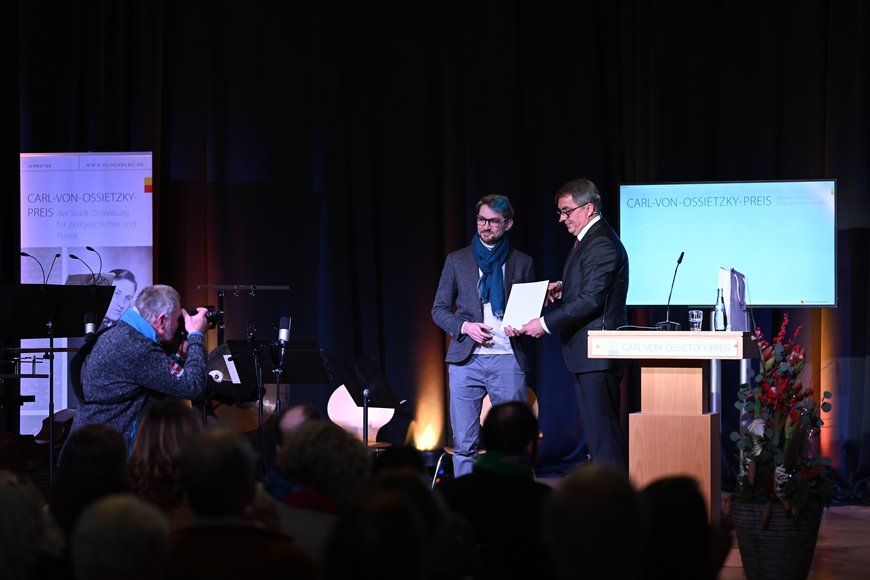
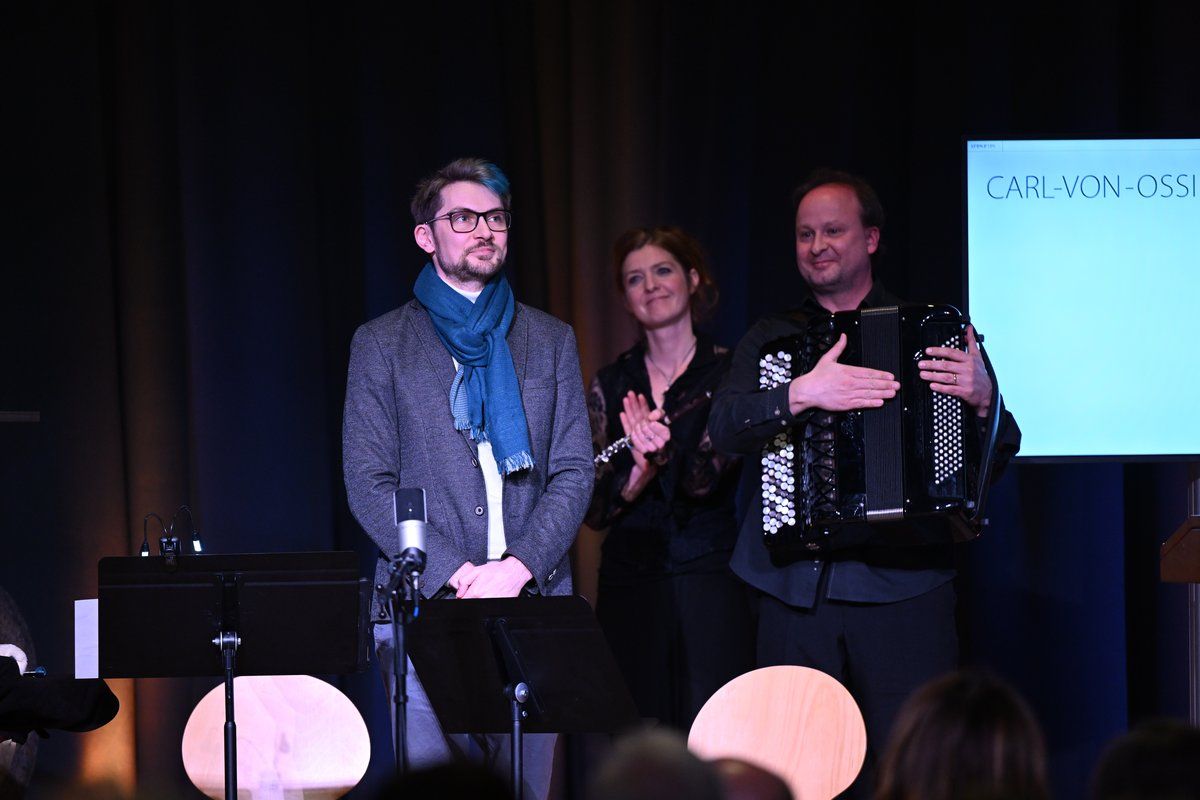
In 2019–20 he was artist in residence at the Casa de Velázquez, and in 2022 he won the Prize for Contemporary‑Music Composition of the City of Oldenburg (Germany). His works have been performed by ensembles including Hanatsu Miroir (Strasbourg), Télémaque (Marseille), Zafraan (Berlin), Oh Ton! (Oldenburg), the Trio Brouwer (Barcelona), the Orchestre Philharmonique de Strasbourg, and the Tonkünstler Orchester (Grafenegg, Austria).
His practice spans instrumental and electronic composition as well as transdisciplinary collaboration — with the Slovak choreographer Alica Minar, the Spanish painter Keke Vilabelda, French film directors Marine de Contes and Mariette Feltin, the German architect Hans Walter Müller, and the French theatre company Des Châteaux en l’air.
His aesthetic research is grounded in perception — using causal effects and other tools to draw out the listener’s expectation, and to play with it. His wish is to create music that anyone can relate to, without needing musical education, only curiosity.
Music is intrinsically underspecified — it cannot transmit a precise, unambiguous message, only offer fragments from which meaning can emerge. This indeterminacy is not a shortcoming; it is the very space where interpretation becomes possible. I do not seek to tell a story, but to create the conditions for one to be imagined.
Narrativity, in this sense, does not live in the sounds themselves but arises within the mind of the listener — a cognitive construction built from tension, causality and memory. Prolonged exposure to a single material can lead a listener to stop hearing its internal variety and begin to expect transformation; part of my work is anticipating these perceptual thresholds.
This is why my music is conceived for the concert space: a unique environment of live variability, bodily presence, and spatial sound production, where — in a world saturated with noise — an audience can still witness silence together.
Download full text (PDF) ↓2-2-2-2 | 4-3-3-1 | 2 Perc | Harp | Piano | 10-8-6-4-3
3-3-3-3 | 4-3-3-1 | 2 Perc | Harp | 12-10-8-6-4
Piano solo, Flute, Oboe, Clarinet, Bassoon, Horn, Trumpet, Percussion, 2 Violin, Viola, Cello, Doublebass, Keyboard (8 channels electronics)
Bass clarinet (also clarinet Bb) solo, Accordion solo, Flute, Oboe, Fagott, Horn, Trumpet, Trombone, Percussion 1, Percussion 2, Piano, Double Bass
Flute, Oboe, Clarinet, Fagott, Horn, Trumpet, Trombone, Percussion, Piano, Harp, Violin 1, Violin 2, Viola, Cello, Double Bass
Flute (also piccolo), Oboe, Clarinet, Baryton Saxophone, Trumpet, Trombone, Percussion 1, Percussion 2, Harp, Violin 1, Violin 2, Viola, Cello, Double Bass
Flute, Bass Clarinet, Alto Saxophone, Piano, Percussion, Violin, Viola, Cello, Double Bass
Flute (also G Flute), Clarinet (also Bass Clarinet), 1 Piano, Violin, Cello
String quartet
Bass flute, Horn and click tracks
Two bass flutes and click tracks
Trumpet, Percussion & sound installation
Piccolo, Accordion, Double Bass, also playing Tam-Tam and Crotales
Violin, Saxophone, Piano, electronics
Violin, Cello, Piano
Bass Flute
Bass clarinet
Anjamatic Harp
Two pianos and electronics
Double Bass and electronics
Oboe and electronics
Prepared harp and 9 channels electronics
8 channels or binaural
14 channels or binaural simulation
8 channels or binaural
8 channels or binaural
4-8 channels or binaural
Comedian, Soprano, Flute (also piccolo), Clarinet Bb (also Bass Clarinet), Trumpet, Percussion, Violin, Cello
Dancer, 2 Flutes, 2 Trumpets, 2 Violins, 2 Percussions, Bass Clarinet, Cello, Accordion (*Musicians are spatialized)
Female Comedian, Flute, Oboe, Clarinet, Piano, Percussion, Violin 1, Violin 2, Viola, Cello, Double Bass
Concerto for clarinet and wind band
Wind Band, 2 Flute, 2 Oboe, Eb Clarinet, 3 Bb Clarinet, Bass Clarinet, 2 Bassoons, 2 Alto Saxophones, 2 Tenor Saxophones, Baryton Saxophone, 4 Trumpets, 4 Horns, 2 Trombone, Bass Trombone, 2 Euphoniums, Tuba, 4 Percussions
Eb Cornet, 5 Bb Cornet, Flugelhorn, 3 Eb Horn, 2 Bb Baryton, 2 Bb Euphonium, 2 Bb Trombone, Bass Trombone, Eb Tuba, Bb Tuba, 3 Percussions (*Musicians are spatialized)
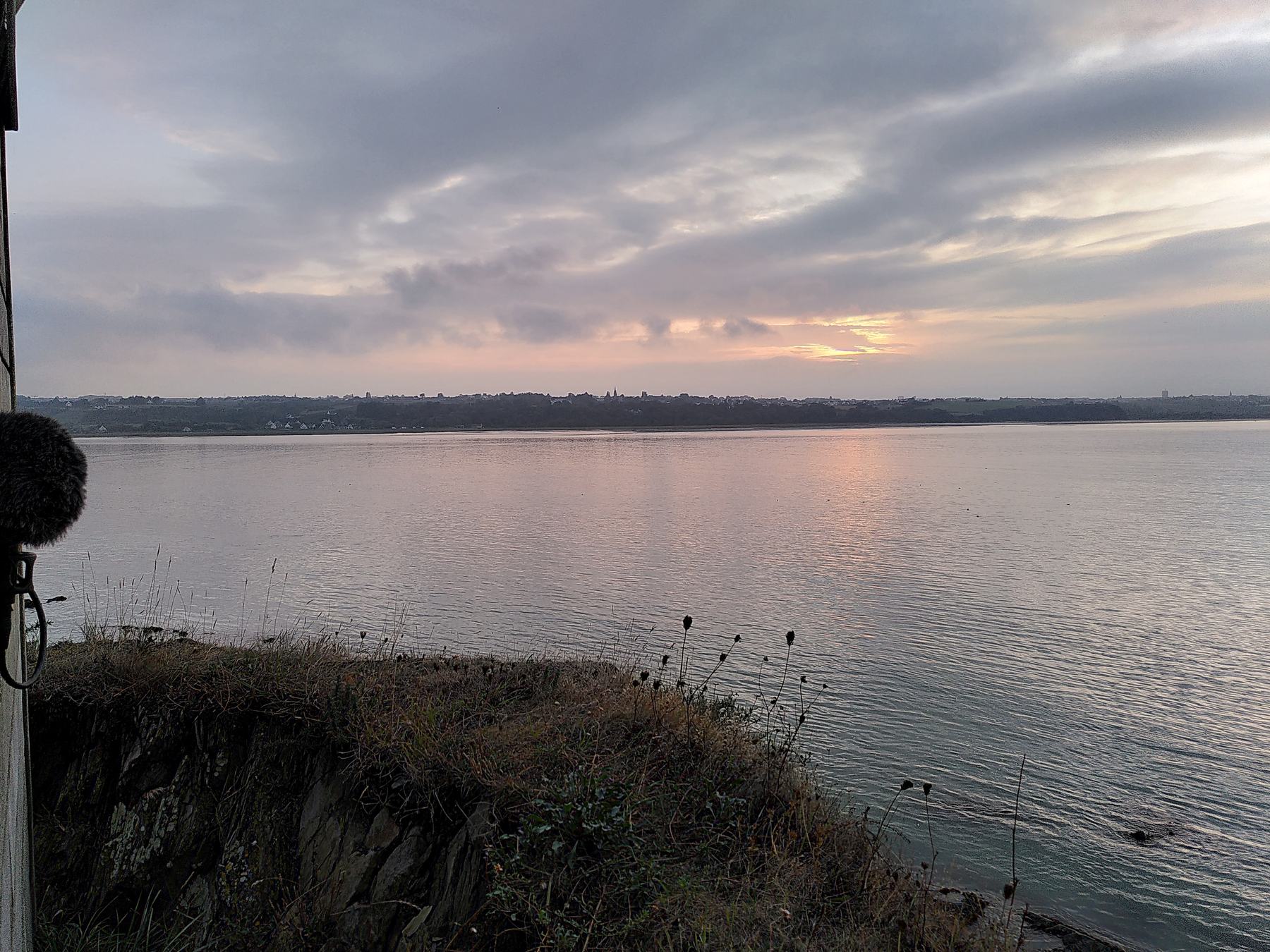
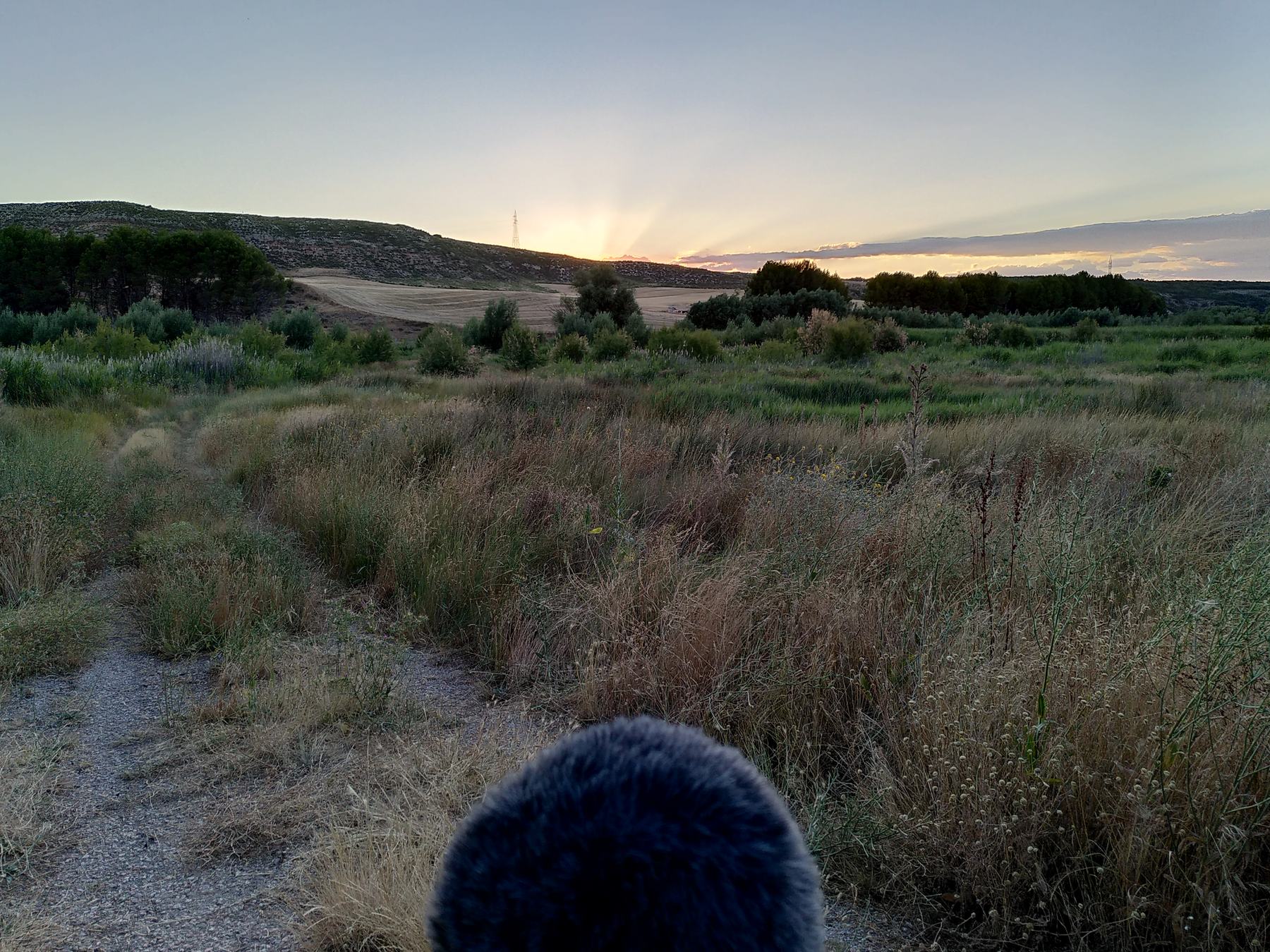
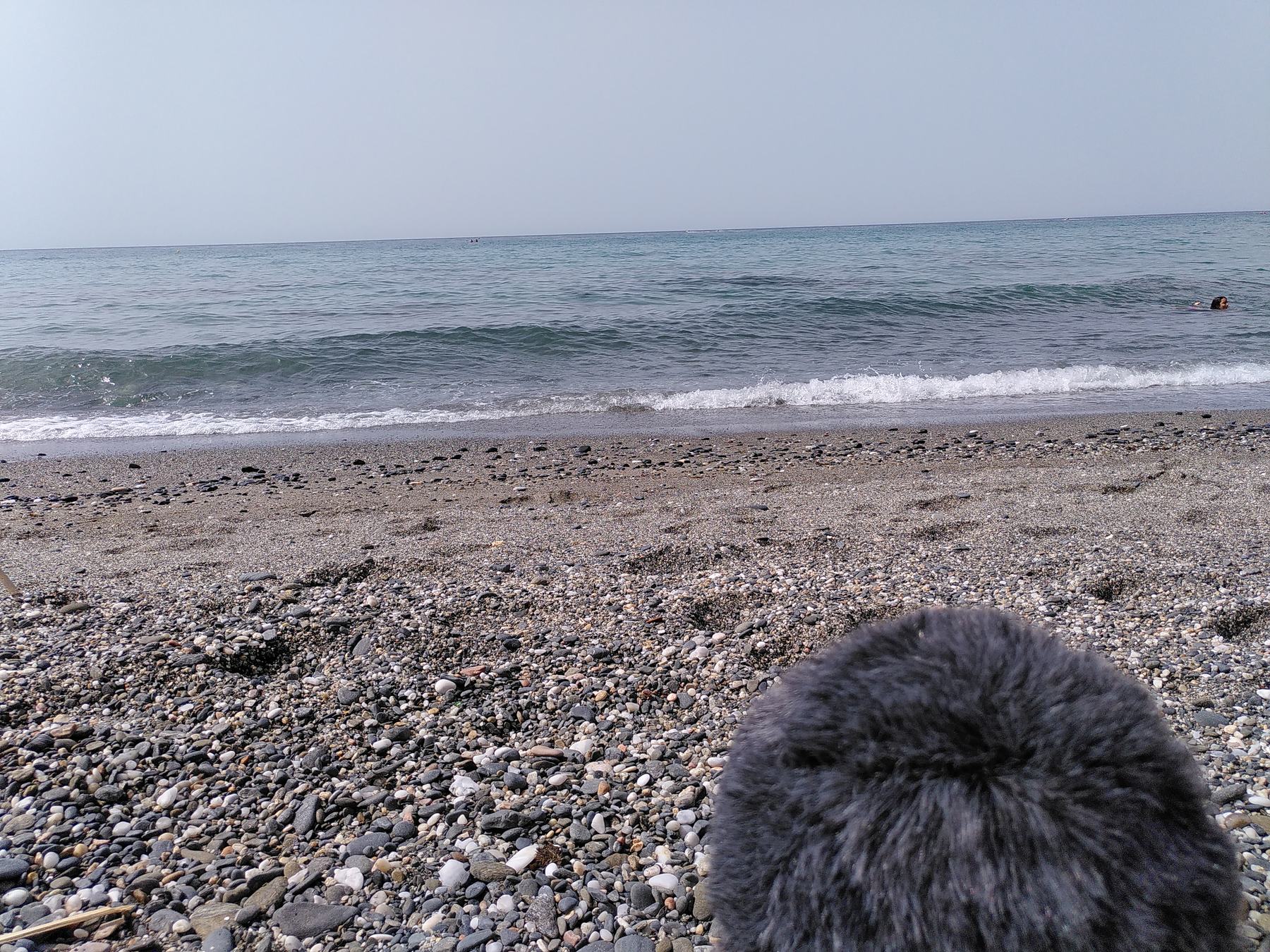
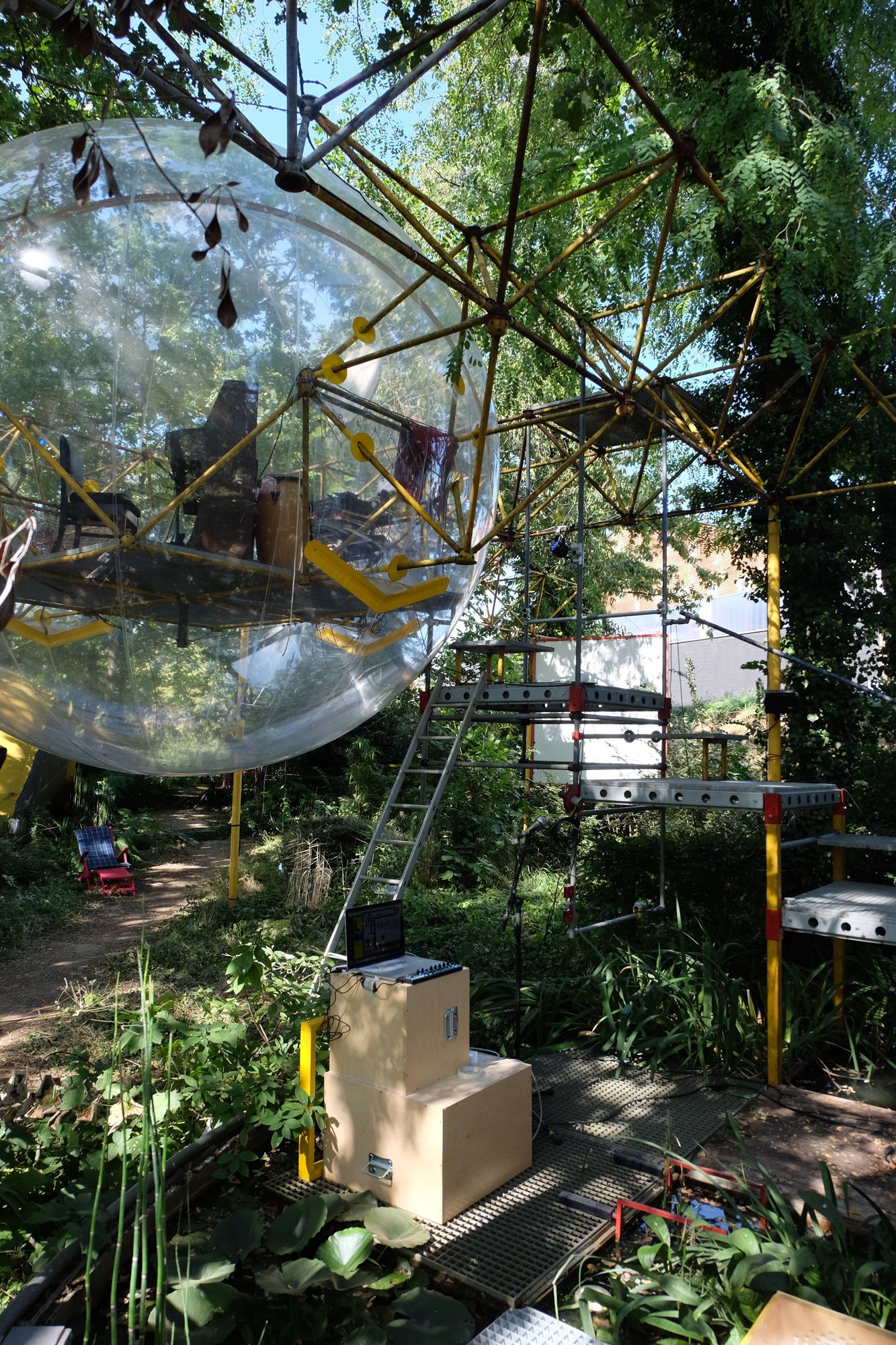
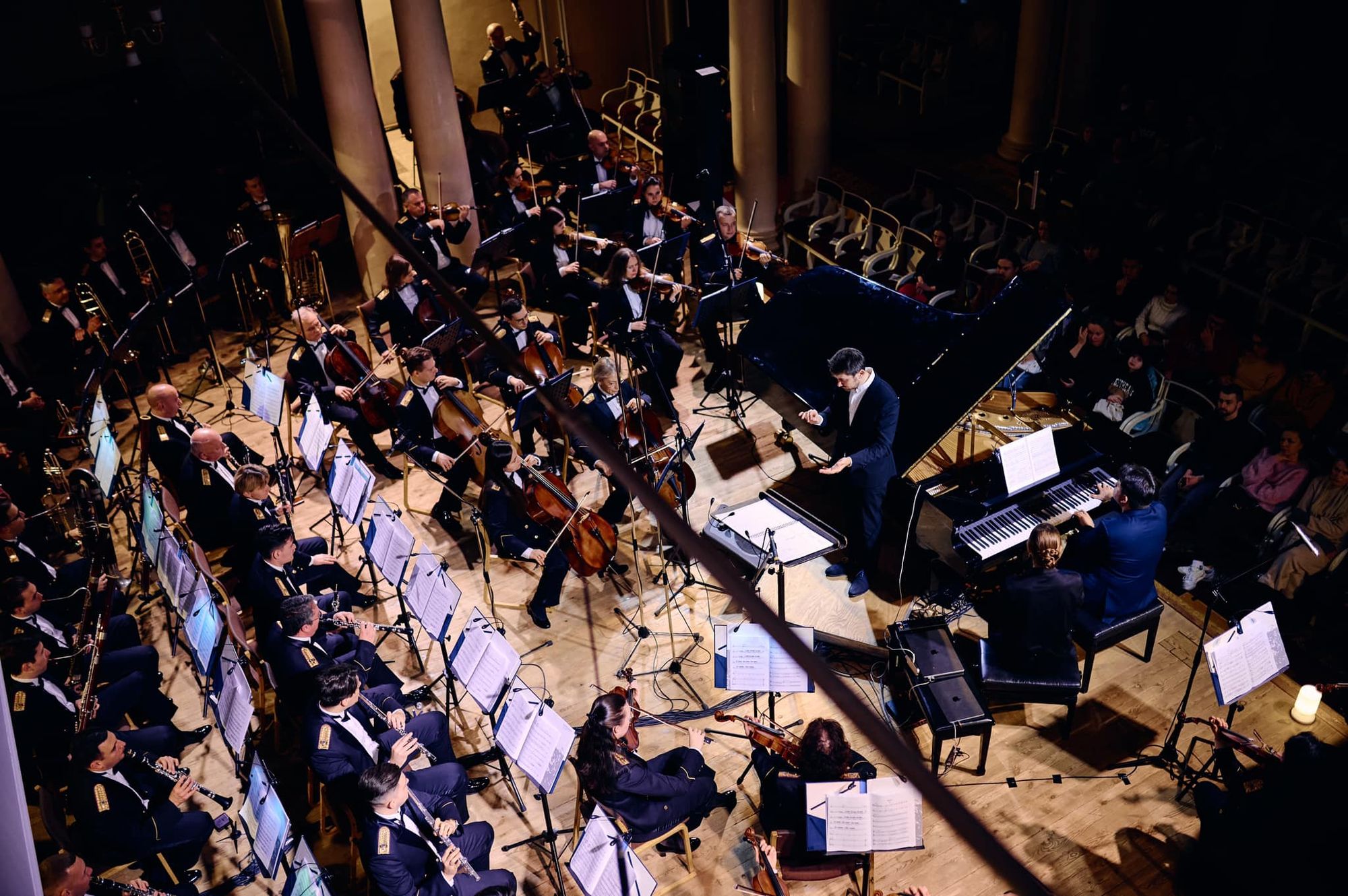
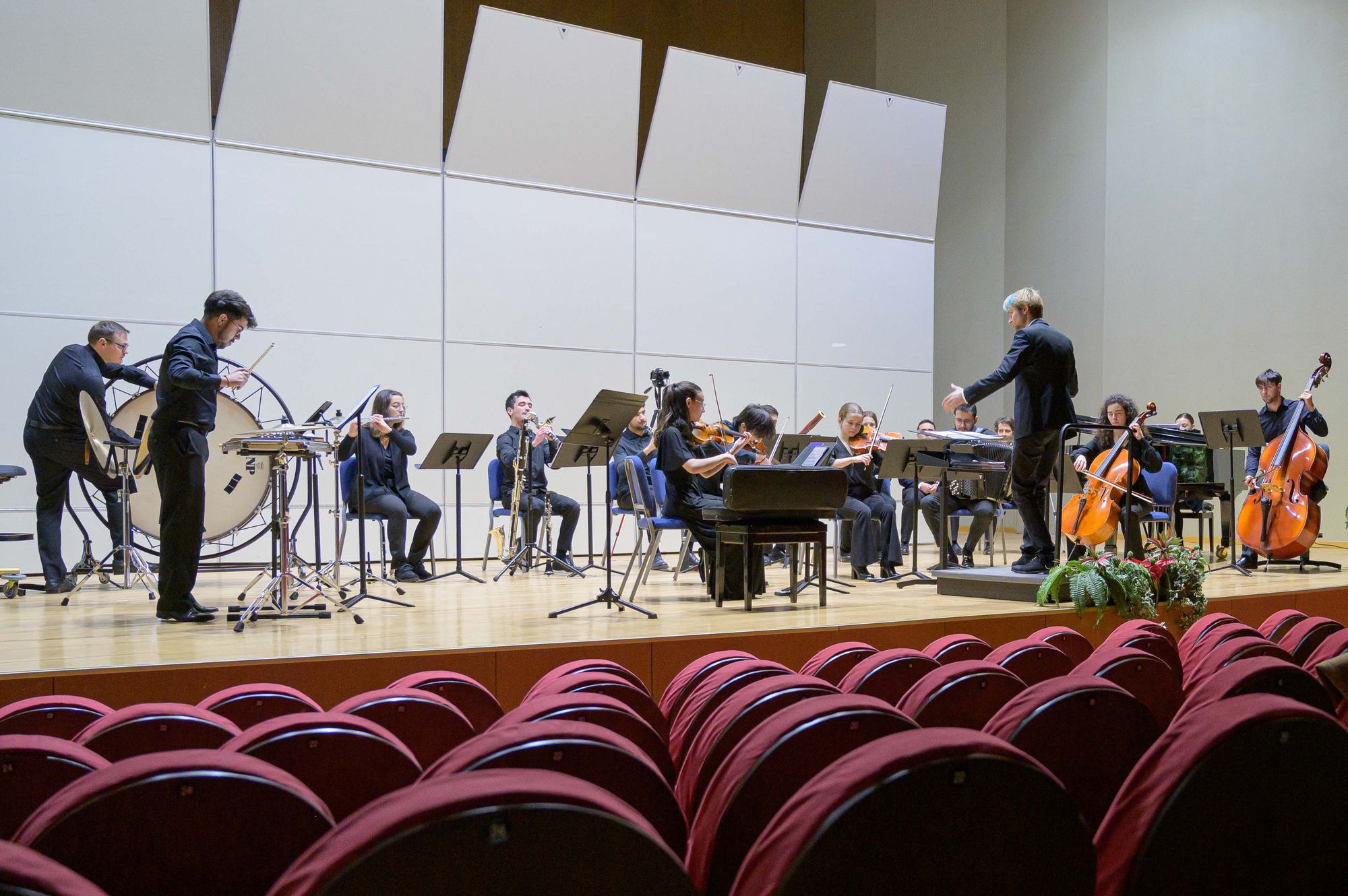
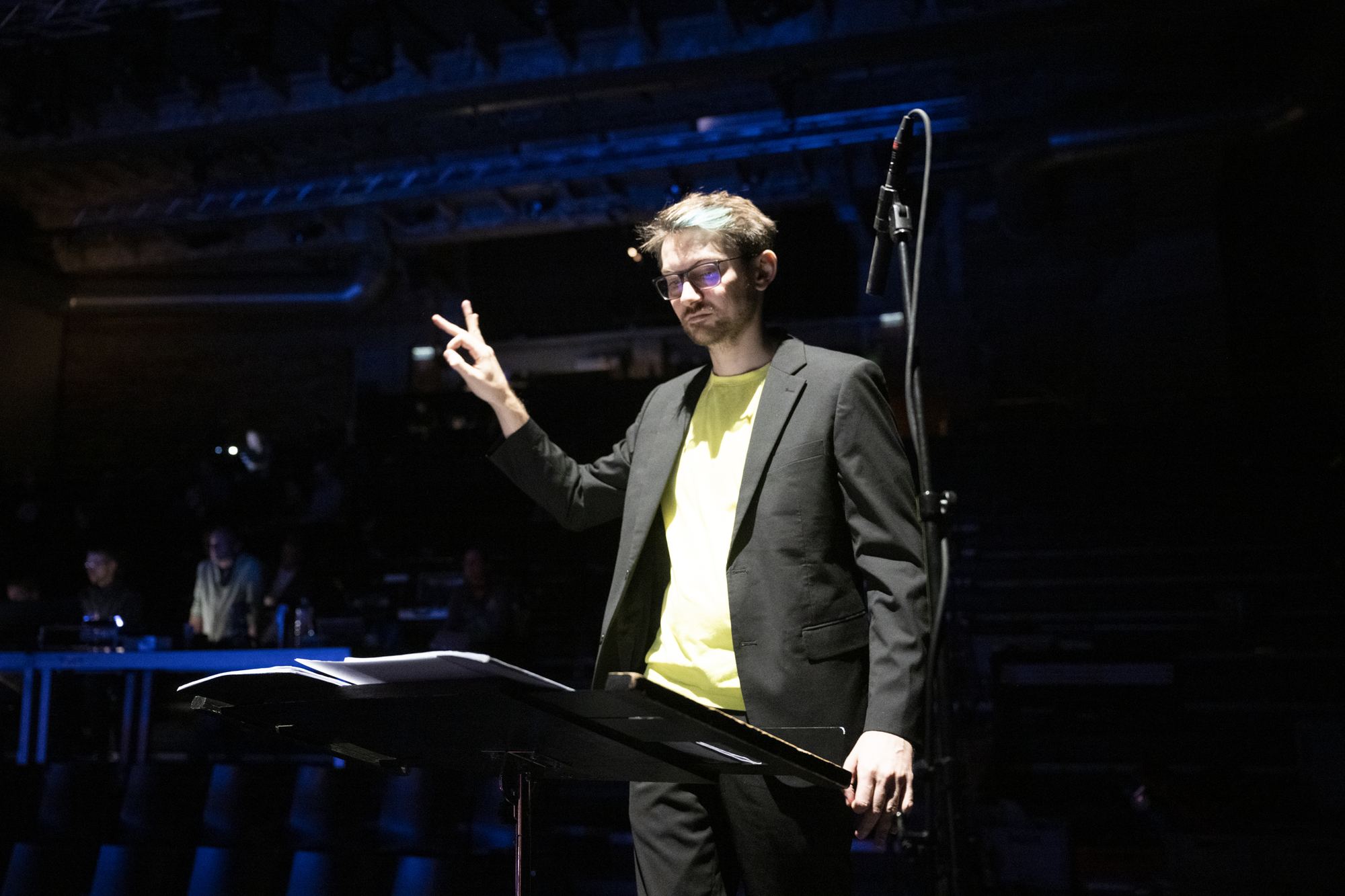
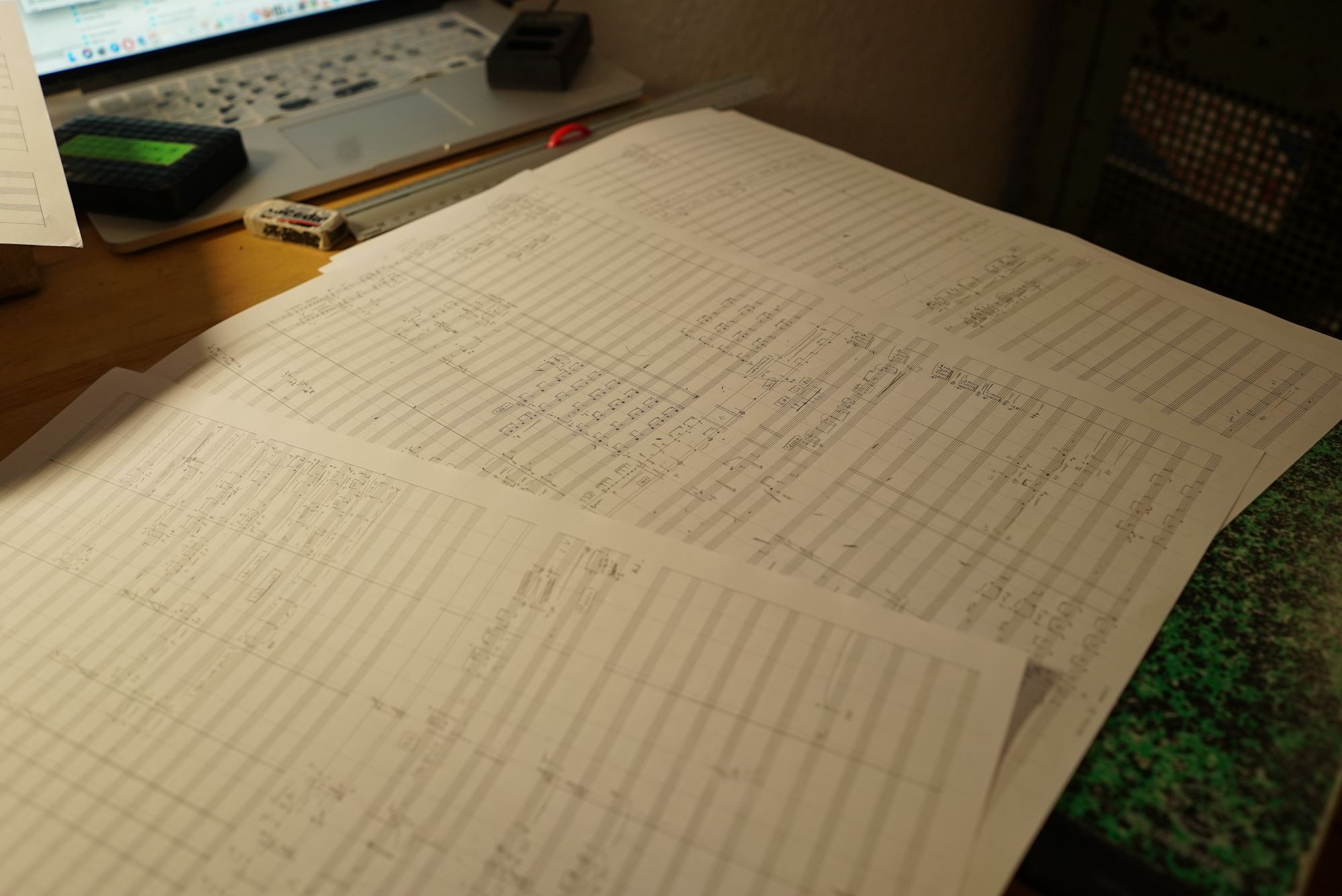
Images from concerts, transdisciplinary collaborations, and field‑recording work used as raw material for acousmatic composition.
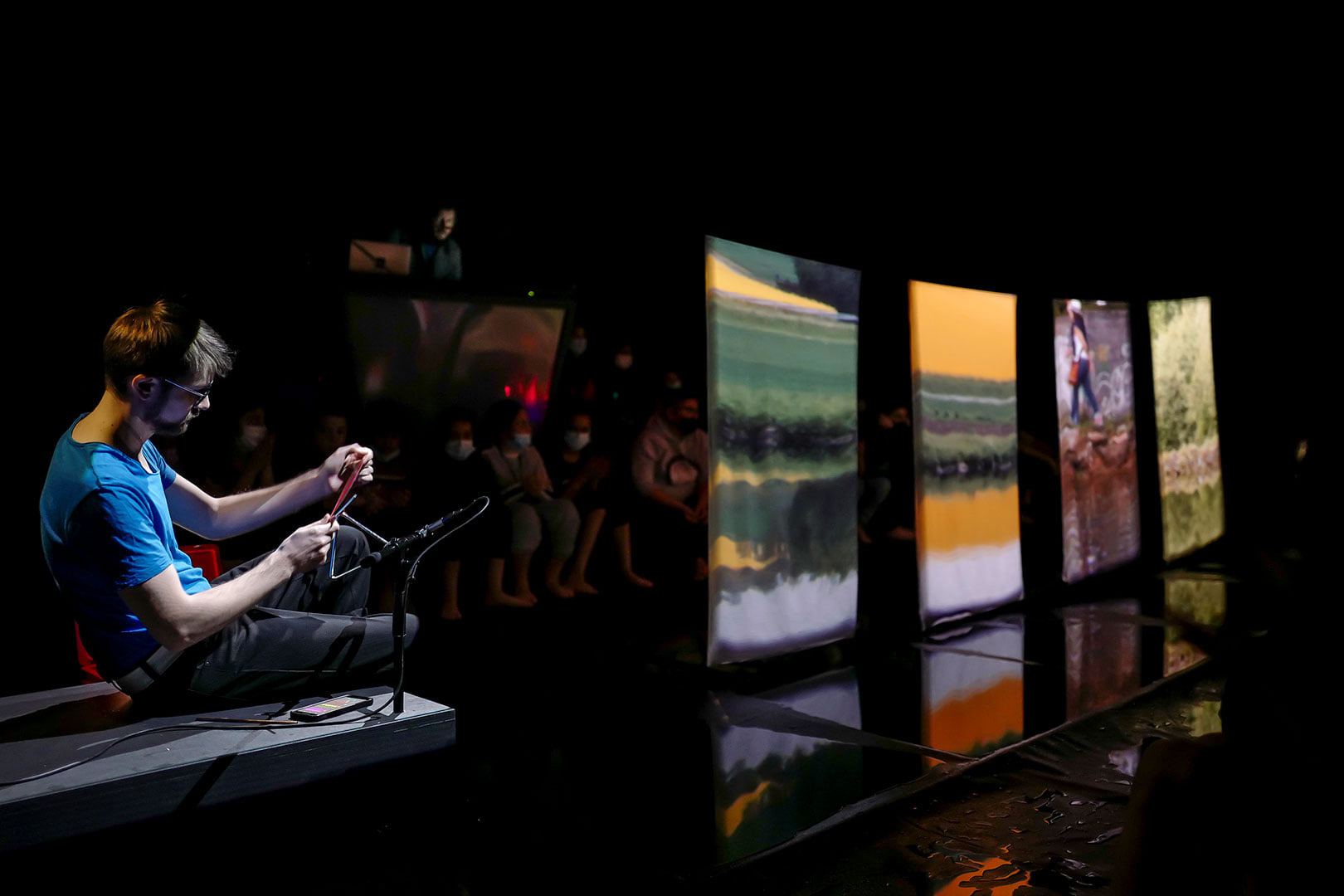
Ambisonic and stereo field recordings, gathered on location and used as source material for acousmatic works and sound installations.
Available for commissions, guest conducting, and collaboration.